
Recognizing the signs of gambling addiction a guide to awareness and recovery
Understanding Gambling Addiction
Gambling addiction, also known as compulsive gambling or pathological gambling, is a behavioral disorder characterized by an uncontrollable urge to gamble despite the negative consequences. This condition can impact individuals from all walks of life and can manifest in various forms, including online gaming, sports betting, and casino gambling. Understanding the psychological aspects of gambling addiction is crucial, as it often intertwines with mental health issues such as anxiety and depression, creating a complex web that can be challenging to navigate.
The thrill of gambling can be enticing, as it offers a temporary escape from reality. However, for some individuals, this excitement spirals into an addiction. The initial wins can foster a false sense of control and encourage continued gambling in hopes of recapturing that high. Over time, this behavior can lead to financial ruin, damaged relationships, and a significant decline in overall well-being, making awareness and recognition of the signs essential for recovery.
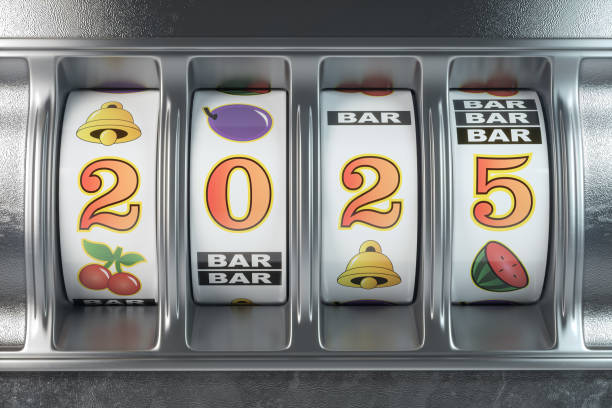
Recognizing gambling addiction requires an understanding of its symptoms. People may experience changes in mood, increased irritability, or withdrawal from family and friends as they chase losses or hide their gambling activities. Being aware of these signs can empower individuals and their loved ones to seek help early, which can significantly improve recovery outcomes. Engaging in open conversations about gambling and its effects can foster a supportive environment for those struggling with addiction.
Identifying the Signs of Gambling Addiction
Identifying gambling addiction involves recognizing a pattern of behavior that suggests an unhealthy relationship with gambling. One of the primary indicators is an inability to control one’s gambling habits, often leading to escalating bets in hopes of recouping losses. Individuals may find themselves spending more time and money on gambling than initially planned, prioritizing it over essential responsibilities such as work, family, and finances.
Another critical sign is the emotional distress associated with gambling. Individuals may experience feelings of anxiety, guilt, or shame as they grapple with their inability to stop gambling. They might also lie about their gambling activities or conceal the extent of their losses from loved ones, leading to a cycle of dishonesty and isolation. This emotional turmoil can exacerbate underlying mental health issues, making recognition and intervention even more urgent.
Additionally, withdrawal symptoms can manifest when individuals attempt to cut back on gambling. These can include irritability, restlessness, and mood swings, which often drive them back to gambling as a means of coping. Awareness of these signs can facilitate early intervention, helping individuals and their families recognize when gambling has shifted from a recreational activity to a harmful addiction.
The Impact of Gambling Addiction
The impact of gambling addiction is far-reaching, affecting not only the individual but also their families, friends, and communities. Financial consequences can be severe, often leading to significant debt, loss of savings, and even bankruptcy. Families may face strain as one member’s gambling habits put them at financial risk, leading to conflict and mistrust. In extreme cases, individuals may resort to illegal activities to fund their gambling, further complicating their situation.
Relationships often suffer as well. The dishonesty that accompanies gambling addiction can erode trust and lead to a breakdown of communication between partners and family members. Many individuals with gambling problems feel isolated and misunderstood, which can exacerbate feelings of loneliness and despair. It is essential for families to approach the topic with compassion, promoting open dialogue and understanding to help loved ones find the support they need.
Moreover, the psychological effects of gambling addiction can include depression, anxiety, and suicidal thoughts. Those entrenched in their addiction may find it challenging to cope with their circumstances, leading to a downward spiral of mental health issues. It is crucial to recognize these impacts not only as symptoms of addiction but also as critical motivators for seeking recovery. Support from mental health professionals and addiction specialists can play a pivotal role in addressing these issues and facilitating a path to recovery.
Pathways to Recovery
Recovery from gambling addiction is a multifaceted process that often requires a combination of professional treatment, support groups, and personal commitment. Recognizing the need for help is the first critical step toward recovery. Professional therapy, such as cognitive-behavioral therapy, can help individuals understand their gambling behaviors and develop healthier coping mechanisms. Tailoring treatment plans to individual needs is crucial, as each person’s journey to recovery is unique.
Support groups, such as Gamblers Anonymous, provide a community for individuals seeking to share their experiences and gain strength from one another. These groups offer a safe space for open discussions about struggles and successes in overcoming addiction. Participants often find that sharing their stories helps to reduce feelings of isolation and shame while fostering accountability and commitment to recovery.
Additionally, self-exclusion programs can be an effective strategy for those who recognize their inability to control their gambling. These programs allow individuals to voluntarily ban themselves from casinos and online gambling platforms, helping to remove immediate access and temptation. Establishing a support system of family and friends is equally vital in the recovery process, as having a network of understanding individuals can make a significant difference in maintaining sobriety and rebuilding trust.
Final Thoughts on Gambling Addiction and Resources
Addressing gambling addiction is a crucial step toward a healthier and more fulfilling life. Awareness and recognition of the signs can empower individuals and their loved ones to take action, fostering a supportive environment for recovery. As discussed, gambling addiction can have severe consequences, not just financially but also emotionally and relationally. Seeking help from professionals, engaging with support groups, and leveraging community resources can significantly improve recovery outcomes.
If you or someone you know is struggling with gambling addiction, remember that help is available. Numerous organizations and online platforms provide resources, counseling, and support tailored to individuals battling this disorder. Taking that first step can be daunting, but it is essential for reclaiming control and living a balanced life. Embracing recovery is not just a journey to stop gambling; it is about rediscovering one’s self and rebuilding relationships that may have been affected by the addiction.